.png)
Aug 19, 2026

Nutrition does play a role in fertility. Not in a quick-fix way, but in how it supports your body over time.
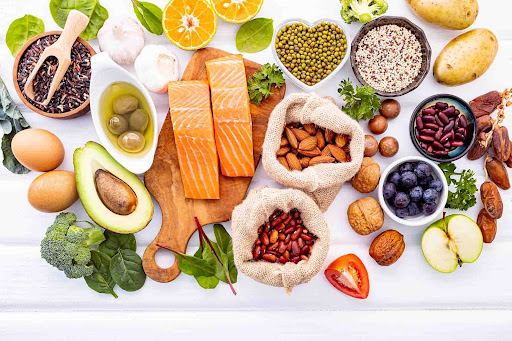
When people think about fertility, nutrition is often one of the first things they try to “fix.”
More greens. Less sugar. Supplements. Smoothies.
But with so much information out there, it’s easy to wonder:
Does nutrition actually make a difference? Or is it just another thing to worry about?
The answer is simple, but important.
Nutrition does play a role in fertility. Not in a quick-fix way, but in how it supports your body over time.
Your reproductive system doesn’t work in isolation.
It’s connected to everything else—your hormones, metabolism, energy levels, and even how your body responds to stress.
That means the way you nourish your body affects how well these systems function together.
For women, nutrition can influence:
For men, it affects:
So while food isn’t the only factor in fertility, it’s one of the most foundational.
Research consistently shows that dietary patterns—not just individual foods—play a role in reproductive health.
Studies have found that diets rich in:
…are associated with better fertility outcomes.
On the other hand, diets high in:
…may negatively affect reproductive function over time.
This doesn’t mean you need to follow a strict or perfect diet. But it does highlight the importance of consistent, balanced choices.
Instead of focusing on trends, it’s more helpful to understand the nutrients your body actually needs.
Folate is often associated with pregnancy, but it’s just as important before conception.
It supports:
It also plays a role in egg quality and overall reproductive health.
Common sources include:
Iron supports oxygen flow in the body and plays a role in ovulation.
Low iron levels have been linked to ovulatory issues in some cases.
Sources include:
Pairing iron-rich foods with vitamin C can improve absorption.
These healthy fats support hormone production and help reduce inflammation.
They may also contribute to improved egg and sperm quality.
Sources include:
Antioxidants help protect cells from oxidative stress, which can affect both egg and sperm quality.
Foods rich in antioxidants include:
For men, antioxidants are especially important in supporting sperm health.
Protein is essential, but the type of protein you consume can also make a difference.
Some studies suggest that:
The key is variety and balance—not restriction.
One often overlooked aspect of fertility is blood sugar regulation.
Frequent spikes and crashes in blood sugar can:
This is especially relevant for individuals with conditions like PCOS.
Simple ways to support blood sugar balance:
Weight is often discussed in fertility, but it’s not about appearance—it’s about how your body is functioning.
Being underweight or overweight can sometimes affect:
However, the focus should not be on extreme dieting.
Instead, it should be on:
Fertility conversations often focus on women, but nutrition plays a major role in male fertility as well.
Nutritional factors can influence:
Diets rich in antioxidants, healthy fats, and essential nutrients have been linked to better sperm health.
This reinforces an important point:
Fertility is a shared responsibility—and nutrition is part of that for both partners.
While nutrition is important, it’s also important to be realistic.
Food alone cannot:
But it can support your body in a way that improves overall conditions for conception.
Think of it as building a stronger foundation—not forcing an outcome.
With so much information online, it’s easy to fall into extremes.
Cut this. Avoid that. Follow this exact diet.
But fertility doesn’t require perfection.
A more sustainable approach looks like:
It’s not about doing everything “right.”
It’s about supporting your body in a way that feels realistic and maintainable.
In some cases, nutrition alone may not be enough to meet your body’s needs.
This is where supplements can play a role.
They may help:
However, they should complement a healthy lifestyle—not replace it.
Fertility is not just about one change—it’s about how different factors come together over time.
Nutrition is one of those factors.
At Fertile.right, the goal is to make fertility and wellness feel more approachable, more informed, and easier to navigate.
Because understanding your body is one of the most important steps in supporting it.



Future of Fertility, done Right
© 2026 Fertile.right. All Rights Reserved.