.png)
Mar 20, 2026

Fertility is influenced by many factors, and professional guidance can help identify underlying issues and recommend appropriate next steps.
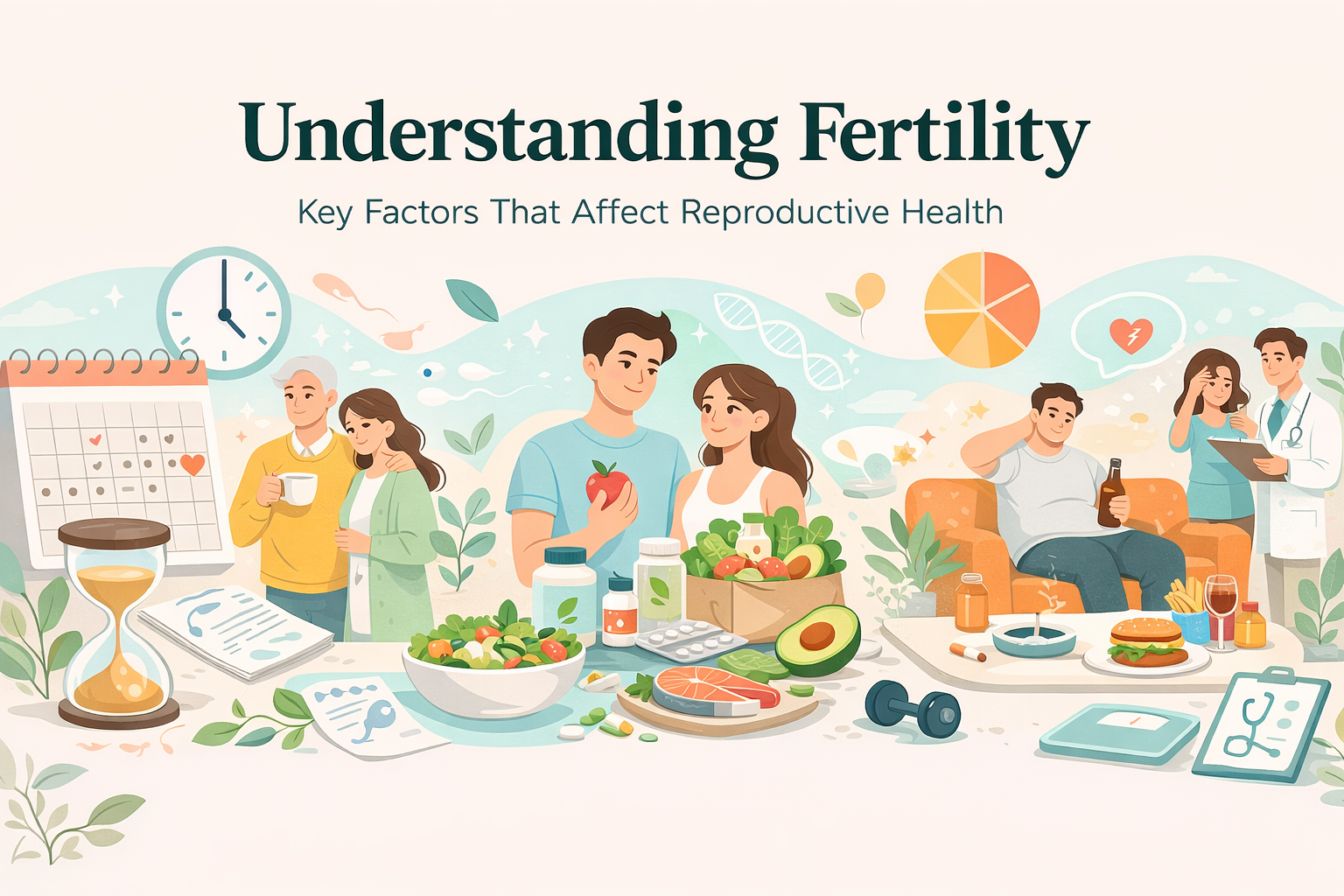
Age Matters
Age is one of the most important factors that can affect fertility. For women, fertility naturally declines over time as both egg quantity and quality decrease. For men, age can also influence sperm quality, although the decline is often more gradual. Understanding how age affects reproductive health can help individuals and couples make informed decisions when planning for pregnancy.
Nutrition Plays a Role
A balanced diet supports overall health, and that includes reproductive health. Nutrients such as folate, zinc, iron, omega-3 fatty acids, and antioxidants are commonly associated with fertility support. Eating nutrient-dense foods and filling gaps with the right supplements can help create a better foundation for reproductive wellness.
Lifestyle Habits Make a Difference
Daily habits such as smoking, alcohol intake, poor sleep, and lack of exercise can affect fertility in both men and women. On the other hand, maintaining a healthy lifestyle may help support hormone balance, reproductive function, and overall wellbeing. Small improvements in routine can have a meaningful long-term effect.
Weight and Hormonal Balance
Body weight can influence hormone production and reproductive health. Being underweight or overweight may affect ovulation, menstrual cycles, and general fertility. Reaching and maintaining a healthy weight through proper nutrition and exercise can help support better reproductive balance.
Stress Can Affect the Journey
Stress may not always be the direct cause of fertility issues, but it can affect sleep, energy, lifestyle choices, and emotional wellbeing. Managing stress through rest, movement, mindfulness, or professional support can help individuals and couples feel more grounded throughout their journey.
When to Seek Medical Advice
If you have been trying to conceive for some time without success, it may be helpful to speak with a healthcare professional. Fertility is influenced by many factors, and professional guidance can help identify underlying issues and recommend appropriate next steps.
Conclusion:
Fertility is closely connected to overall health. By understanding the factors that affect reproductive wellness—such as age, nutrition, lifestyle, and stress—individuals and couples can take more confident steps toward supporting their fertility journey.



Future of Fertility, done Right
© 2026 Fertile.right. All Rights Reserved.